


Page 17 - Policy Economic Report- June'26
P. 17
POLICY AND ECONOMIC REPORT
               OIL & GAS MARKET

           infrastructure, computing capacity, skilled human resources, and regulatory frameworks, which could
           widen productivity and income gaps if left unaddressed.

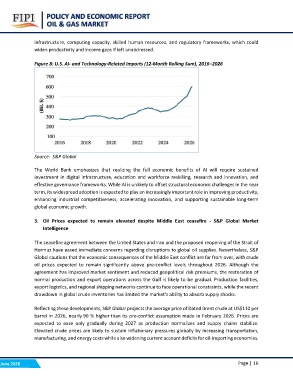
           Figure 8: U.S. AI- and Technology-Related Imports (12-Month Rolling Sum), 2016–2026

           Source: S&P Global

           The World Bank emphasizes that realizing the full economic benefits of AI will require sustained
           investment in digital infrastructure, education and workforce reskilling, research and innovation, and
           effective governance frameworks. While AI is unlikely to offset structural economic challenges in the near
           term, its widespread adoption is expected to play an increasingly important role in improving productivity,
           enhancing industrial competitiveness, accelerating innovation, and supporting sustainable long-term
           global economic growth.

           3. Oil Prices expected to remain elevated despite Middle East ceasefire - S&P Global Market
               Intelligence

           The ceasefire agreement between the United States and Iran and the proposed reopening of the Strait of
           Hormuz have eased immediate concerns regarding disruptions to global oil supplies. Nevertheless, S&P
           Global cautions that the economic consequences of the Middle East conflict are far from over, with crude
           oil prices expected to remain significantly above pre-conflict levels throughout 2026. Although the
           agreement has improved market sentiment and reduced geopolitical risk premiums, the restoration of
           normal production and export operations across the Gulf is likely to be gradual. Production facilities,
           export logistics, and regional shipping networks continue to face operational constraints, while the recent
           drawdown in global crude inventories has limited the market's ability to absorb supply shocks.

           Reflecting these developments, S&P Global projects the average price of Dated Brent crude at US$110 per
           barrel in 2026, nearly 90 % higher than its pre-conflict assumption made in February 2026. Prices are
           expected to ease only gradually during 2027 as production normalizes and supply chains stabilize.
           Elevated crude prices are likely to sustain inflationary pressures globally by increasing transportation,
           manufacturing, and energy costs while also widening current account deficits for oil-importing economies.

June 2026  Page | 16

